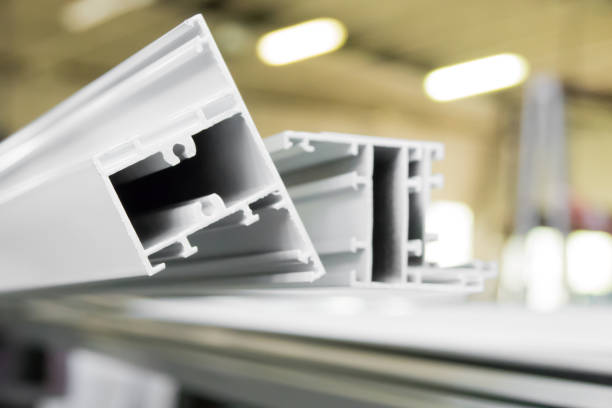
There is no denying that rigid PVC extrusion has become essential for making long-lasting and well-crafted materials used in both construction and industrial interiors. Known for its ability to create consistent as well as durable components, rigid PVC extrusion involves heating PVC and forcing it through a mould to form uniform shapes with exact measurements. Rigid PVC extrusion in India is widely used in industrial construction and interior systems to create parts that can handle tough environments while maintaining accuracy and strength.
From wall panels and ducts to trims and cable channels, rigid PVC extrusion makes it possible to produce consistent, durable components that fit the needs of large-scale facilities.
5 Industrial Applications of Rigid PVC Extrusion for Construction and Interiors
Through rigid PVC extrusion, industries are improving the way materials are made for construction and interior applications. The process supports large-scale projects by shaping PVC into precise, long-lasting components that meet the demands of industrial buildings and interior setups.
Rigid PVC extrusion also provides design flexibility, allowing parts to be customised for different construction layouts and interior systems. Below are some of the key industrial applications of rigid PVC extrusion for construction and interiors.
Wall and Ceiling Panels
Rigid PVC extrusion can be used to produce wall and ceiling panels that perform well under demanding industrial conditions. The process ensures a tight, uniform finish that keeps interiors protected from moisture, dust, and corrosion.
Since the wall and ceiling panels created using rigid PVC extrusion are lightweight and easy to clean, they also cut installation time and upkeep costs, providing a practical solution for both new construction and industrial interior renovation projects.
Ventilation and Ducting Systems
In addition to wall and ceiling panels, rigid PVC extrusion can also be used to produce ducts as well as fittings that manage air circulation in industrial buildings. The parts made through this process resist corrosion, moisture, and chemical exposure, making them suitable for harsh working conditions.
Because the ducts created using rigid PVC extrusion are lightweight and simple to maintain, they help simplify installation and ensure reliable airflow in both new construction and industrial interior renovation projects.
Door and Window Profiles
In industrial buildings, doors and windows need frames that can handle constant use and exposure without losing shape. Rigid PVC extrusion can be used to create these profiles, offering the strength and stability needed for demanding environments.
The profiles created using rigid PVC extrusion resist rust, moisture as well as corrosion, ensuring that doors and windows remain functional and secure over time. Because they maintain their shape and finish, they’re a reliable choice for both new industrial construction and interior renovation projects.
Cable Management Systems
Proper cable management is vital in any industrial environment to keep wiring safe and prevent accidents. Rigid PVC extrusion can be used to produce ducts, channels, and conduits that neatly organise and protect electrical cables.
The parts made using this process are durable, non-conductive, and resistant to heat and moisture, making them suitable for long-term use. They help maintain safety and order in construction projects and industrial interiors where reliable cable protection is essential.
Partitions and Enclosures
Space division is often necessary in industrial buildings to separate work areas or control specific environments. Rigid PVC extrusion can be used to produce lightweight yet sturdy panels that form partitions and enclosures within these interiors.
The panels made using this process are easy to install, clean, and move when needed, allowing flexibility in layout design. Their durability as well as resistance to moisture and impact make them a practical choice for labs, offices, and production areas in industrial facilities.
While these were some of the key industrial applications of rigid PVC extrusion for construction and interiors, there are many others, such as cladding systems, corner guards, and equipment covers. As more and more industries look for durable, low-maintenance, and cost-efficient materials for construction and interior applications, the use of rigid PVC extrusion will continue to grow. Need durable materials made through rigid PVC extrusion in India for industrial interiors and construction projects? M3 Extrusion offers high-quality PVC profiles and parts made through rigid PVC extrusion, built for strength, accuracy, and long-lasting performance.
Frequently Asked Questions
Can rigid PVC extrusion be customised for specific industrial needs?
Yes, rigid PVC extrusion can be tailored to meet different design and performance requirements. Manufacturers can adjust shape, size and thickness based on project needs. Custom moulds allow for unique profiles that fit specific construction or interior systems, ensuring a precise fit as well as reliable performance.
How does rigid PVC extrusion help reduce maintenance and replacement costs?
Products made through rigid PVC extrusion are resistant to wear and damage, which reduces the need for frequent repairs or replacements. Their smooth surfaces are pretty easy to clean, and they don’t require protective coatings. This durability helps industrial facilities lower long-term maintenance costs while maintaining consistent performance.
How does the rigid PVC extrusion process work?
The process involves heating rigid PVC until it becomes soft and then pushing it through a mould to form long, uniform shapes. Once shaped, the material is cooled to harden into a strong, durable profile. This method gives smooth surfaces, accurate sizing, and flexibility to make many industrial parts. It also ensures consistent quality, making it ideal for large-scale construction and interior applications.
What factors affect the quality of rigid PVC extrusions?
Quality of rigid PVC extrusions depends on raw material grade, PVC formulation and additives, and machine settings like melt temperature and screw speed. Die design and calibration affect shape. Cooling rate and pull speed control surface finish. Tool wear, improper pressure, and poor handling cause defects. Proper process control and checks ensure consistent, durable extrusions.
What is the typical cost of rigid PVC extrusions?
The cost of rigid PVC extrusions varies based on size, shape, and design needs. Custom profiles or thicker sections usually cost more. While the initial price may seem higher than wood or metal, their strength, durability, and low maintenance make them a long-term as well as cost-effective option for industrial construction and interior projects.
Keep an eye for more latest news & updates on DailyNewsConsumer!
About the Author