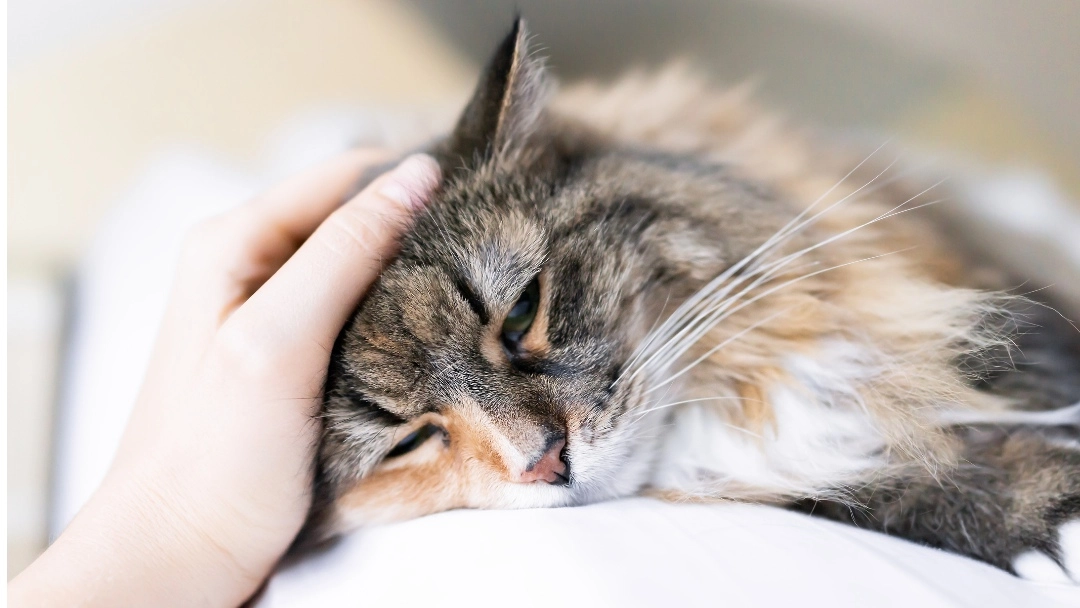
Cats are often seen as independent creatures, but their emotional depth is often underestimated. When a cat is rehomed, moving from one household to another, it can experience stress, sadness, and anxiety. Unlike dogs, cats develop strong attachments not only to their owners but also to their familiar environment. Changes in surroundings, routines, and daily interactions can create confusion and emotional discomfort. To learn more about this, check out cat rehoming sadness.
Recognizing Emotional Distress in Rehomed Cats
Cats rarely show sadness in ways humans expect. Instead, they exhibit subtle behavioral changes that signal discomfort. Common signs of emotional distress include hiding for long periods, decreased appetite, excessive grooming, and increased vocalization. Some cats may even exhibit destructive behaviors, such as scratching furniture or urinating outside the litter box. These actions are coping mechanisms, not acts of defiance, and recognizing them early allows owners to respond with empathy rather than frustration.
Helping a Rehomed Cat Adjust
A thoughtful approach can make the transition easier. Experts suggest confining the cat initially to a quiet room with familiar items, food, water, and a litter box. Gradual introduction to the rest of the home allows the cat to acclimate at its own pace. Maintaining a consistent routine for feeding, playtime, and rest provides predictability, which reduces stress. Gentle interaction, interactive play, and soft verbal encouragement help build trust while offering healthy outlets for energy.
For more tips on cat care, visit PetsCare.
The Role of Personality and Past Experiences
Not all cats react the same way to rehoming. Age, temperament, and prior experiences significantly influence how a cat adjusts. Kittens typically adapt quickly, while older cats or those with traumatic pasts may require extended adjustment periods. Outgoing cats explore readily, whereas shy cats may need time and reassurance before venturing out. Multi-cat households add complexity, requiring gradual introductions to prevent territorial conflicts. Tailoring the approach to each cat’s personality fosters trust and emotional stability.
Long-Term Recovery and Bonding
Adjustment is only the first step; long-term emotional recovery is essential for a happy cat. Building a strong bond involves patience, gentle affection, and respect for the cat’s boundaries. Environmental enrichment, including scratching posts, climbing structures, and window perches, promotes mental stimulation and reduces boredom. Consistent play and positive interaction strengthen the human-animal connection. If signs of lingering sadness or withdrawal appear, veterinary consultation or behavioral guidance can ensure the cat’s physical and emotional well-being.
With patience, care, and understanding, cats can overcome the stress of rehoming and develop lasting bonds with their new families.
Keep an eye for more latest news & updates on DailyNewsConsumer!
About the Author