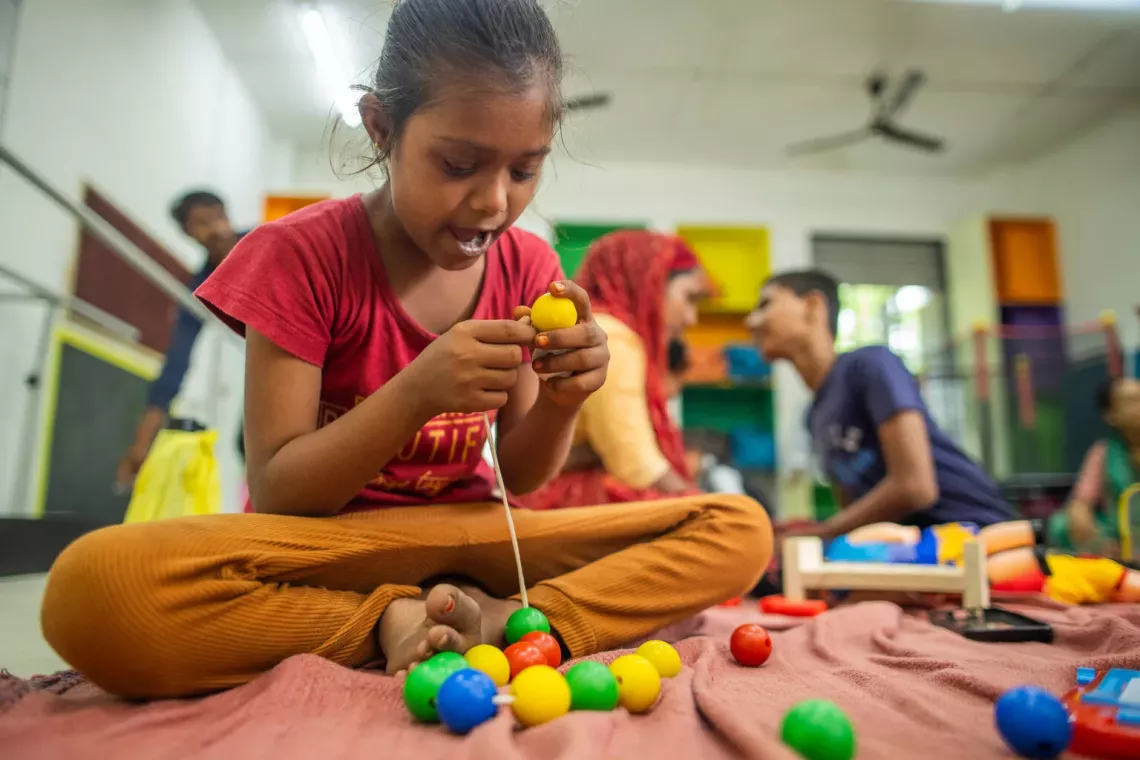
Charities for blind children play a vital role in shaping a more inclusive and accessible world. By offering specialised resources, adaptive education, emotional support, and community involvement, these organisations help visually impaired children build confidence and independence. Beyond providing practical tools, charities also work to shift societal attitudes—proving that inclusion isn’t just a concept, but a powerful driver of meaningful change. This article explores how charities for blind children are transforming lives through innovative, inclusive approaches.
Breaking Barriers Through Inclusive Education
Education is one of the most significant areas where charities for blind children make a lasting impact. Many visually impaired children face challenges in mainstream schools, including limited access to accessible learning formats, underprepared educators, and social barriers. Charities help close these gaps by advocating for inclusive education, training teachers, and providing tools such as Braille textbooks, tactile learning materials, and assistive technology.
Through early intervention programmes, charities ensure that children develop the foundational literacy and mobility skills they need from a young age. These programmes not only enhance learning outcomes but also empower children to navigate school life with confidence. By championing accessible education, charities help create more equitable learning environments where every child has the chance to thrive.
Empowering Children With Assistive Technology
Advancements in technology have opened new possibilities for children with visual impairments. Charities for blind children are often at the forefront of making these innovations accessible. From screen-reading software and digital magnifiers to tactile tablets and navigation apps, assistive technology helps children engage more fully with the world around them.
Many families may struggle to afford these tools, making charitable support invaluable. By providing access to the right technology—and offering training on how to use it effectively—charities enable blind children to learn, communicate, play, and explore independently. This empowerment builds self-esteem and encourages lifelong learning.
Supporting Families on Their Journey
A child’s diagnosis can be overwhelming for families, who may face uncertainty about the future. Charities for blind children provide essential emotional and practical support, guiding parents through available services, rights, and educational pathways. Workshops, peer networks, and counselling give families a safe space to share experiences and seek advice.
By equipping parents with knowledge and community support, charities help them become strong advocates for their children. This holistic approach ensures that the entire family feels supported—not just the child. Empowered families create more inclusive home environments, reinforcing the positive change charities strive to build.
Promoting Social Inclusion and Community Engagement
Inclusion extends far beyond education and technology. Charities also focus on ensuring that blind children participate in social activities, sports, and community events. Through adapted recreational programmes—such as goalball, tandem cycling, and music workshops—children develop friendships, discover interests, and gain a greater sense of belonging.
These experiences play a crucial role in building confidence and reducing isolation. By encouraging interaction between visually impaired and sighted children, charities help break down misconceptions and promote empathy. This fosters communities that value diversity and inclusion, creating a positive ripple effect that extends into adulthood.
Advocating for Long-Term Accessibility and Awareness
Meaningful change requires more than individual support—it requires systemic transformation. Many charities for blind children engage in advocacy work aimed at influencing policy, improving accessibility standards, and raising public awareness. By educating the public and working with schools, government bodies, and local organisations, they help create environments where blind children are understood, supported, and fully included.
This advocacy ensures that inclusion becomes embedded in society, benefiting future generations as well.
Conclusion
A blind charity for children can make a powerful difference by focusing on inclusion at every level—education, technology, family support, social engagement, and public awareness. Through their dedicated efforts, they help visually impaired children reach their full potential and live fulfilling, independent lives. More importantly, they challenge societal barriers and inspire communities to embrace inclusivity. The meaningful change they create proves that when children are given equal opportunities, they can shine in ways that enrich us all.
Keep an eye for more latest news & updates on Daily News Consumer!
About the Author